W7 Week MPV Sales List: The terminal discount exceeds 70,000, and the cost-effective Honda Odyssey advances into the top ten.
[Car history] Odyssey is its first model, and it has been 20 years since it was launched in 1994. Odyssey is divided into Japanese version and North American version. At present, the Japanese version has developed to the fifth generation, while the North American version is the fourth generation. Chinese people are familiar with the Odyssey. This car was imported to China as early as the 1990s, and it was made in Guangqi Honda in 2002 (formerly "Guangzhou Honda", renamed as "Guangqi Honda" on June 5, 2009, and used in this paper). In 2014, Guangqi Honda plans to release a new generation of Odyssey. In this article, let’s review the history of Honda Odyssey.
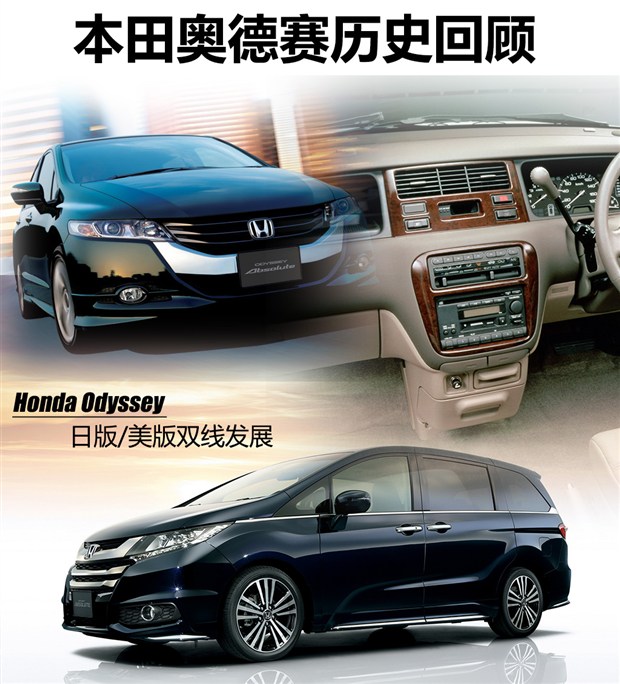
First, the meaning of Odyssey’s car name
Odyssey has the meaning of "long-distance adventure travel" in the dictionary, and this word first appeared in the ancient Greek myth "Homer Epic". Homer’s Epic consists of Iliad and Odyssey, in which Iliad tells the story of going out and fighting, and Odyssey tells the adventure on the way back.
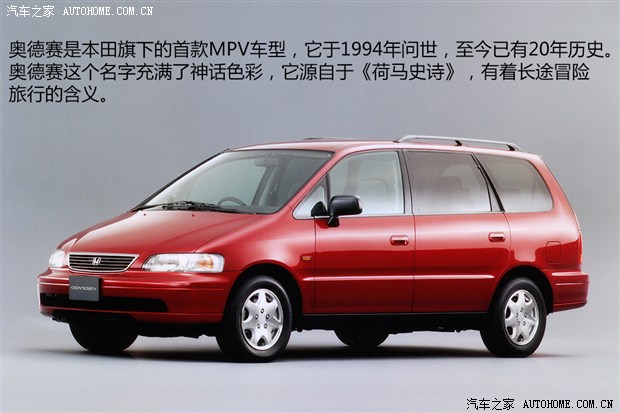
In the epic Odyssey, after the Greeks attacked Troy, Odysseus, the king of Ithaca and the hero who gave a wooden horse in the Trojan War, led the fleet to return home, but was repeatedly blocked because he offended Poseidon, the sea god. After 10 years of hardships and dangers, he was lucky enough to return to his homeland alone. During Odysseus’ exile in a foreign land, Itaka and powerful people in neighboring countries bullied his wife, weak children and wasted his country’s money. Odysseus managed to kill the violent nobles with his son, and finally regained his former power and reunited with his wife.
Honda used the word "Odyssey" as the name of its first MPV model, trying to convey the meaning that even if you are driving this car, you can enjoy the whole journey comfortably and safely with your family and friends.
Second, the research and development background of Odyssey
◆ Want to build a new car for the American market.
In order to explore the North American automobile market, Honda plans to develop a new model. In August, 1990, Odagaki Bondo (hereinafter referred to as "Odagaki"), the chief engineer who was in charge of the research and development of the second generation luxury car in Honda’s narrow mountain factory, received a phone call from Honda’s R&D center. They told Odagaki that the company planned to build a new factory in the United States to develop a multi-functional car suitable for many people, and the new car hoped to carry V6 from Legend.
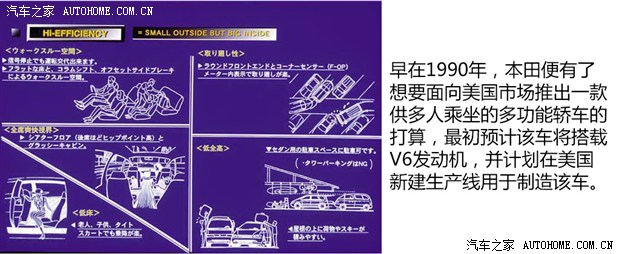
This plan reflects Honda’s strong desire to expand Honda’s market share in the United States through new models. Odagaki immediately set up a project development team of more than 20 people and quickly launched an investigation. In September 1990, Odagaki came to the United States with five or six team members, and then spent the next month making an in-depth analysis of the existing vans in the American market.
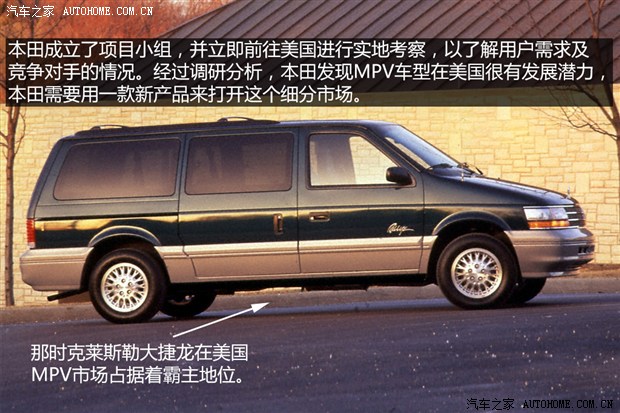
Odagaki recalled: "At that time, Americans were changing their minds. They were no longer only interested in luxury cars, but were more willing to choose cars with versatility." Odagaki believes that Honda’s idea of developing multi-person multi-function cars is timely. "Honda needs its own multi-person multi-function cars."
◆ The plan died halfway due to high manufacturing cost.
In the early 1990s, the price of van travel models in the American market was generally around $20,000, but the new car planned by Honda was much more expensive, including the new factory and V6 engine, which made the estimated price of the new car reach $30,000. In order to cut costs, the power system of the new car is ready to be replaced by a 4-cylinder engine from. (Related reading: Historical review of Honda Accord)

However, just as the project team was full of energy, the company’s leadership suddenly canceled the development plan of the multi-person multi-function car project. Odagaki and the members of the project team thought that there would be a very good prospect in the United States for many people to take multi-purpose cars. Because they were unwilling to give up the plan, Odagaki called the top management to urge the company to reconsider, but failed to convince the decision-making level.
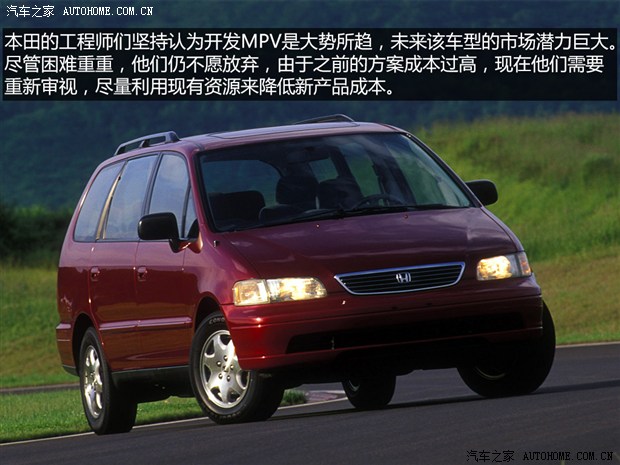
Even so, the members of the group firmly believe that multi-person riding in multi-purpose cars is a new breakthrough in the market segment, and sales in the Japanese market will also explode in the future. In addition to doing their daily jobs, they continue the research and development of multi-person multi-function cars, and their efforts have also been acquiesced by the management of the company.
◆ There is a Japanese version first, then a North American version.
The members of the project team began to make extensive contact with van owners in the Japanese market again to understand their vehicle use and demand for vehicles. According to the survey, vans are mostly used as recreational vehicles in Japan, mainly for long-distance travel and vacation. Therefore, the project team designated the development code of Honda’s first MPV model as "PJ ”(Personal Jet), and they wanted to build a van different from the traditional sense: the new car should be streamlined and full of feelings while providing space for many people.
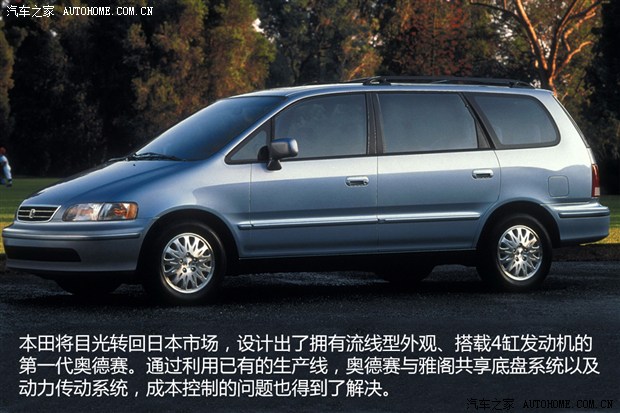
The new car was finally named Odyssey. In order to save costs, Odyssey was built on the Accord platform and produced by Honda Narrow Mountain Factory. In October, 1994, Honda Odyssey was officially listed, and the new car was widely praised in Japan as soon as it was launched. In 1995, the sales volume exceeded 120,000 units. By September, 1997, the first generation of Odyssey had sold more than 300,000 units, which broke the sales record and became Honda’s best-selling new car.

However, the performance of the first generation of Odyssey in the American market was not satisfactory. Honda soon realized that the car demand of American consumers was different from that of Japanese consumers, and they needed MPV with more space and more power. Therefore, starting from the second generation of Odyssey, apart from the Japanese version, Honda also independently developed the North American version of Odyssey. Today, the Japanese version of Odyssey has developed to the fifth generation, while the North American version of Odyssey has developed to the fourth generation.
Third, the development and evolution of the Odyssey.
◆ The First Odyssey (1994 -1999)
In October, 1994, Honda launched its first MPV Odyssey to open up a new market segment of multi-purpose vehicles. As a global model, the first generation Odyssey has provided a unified model version for Japan, North America, Europe and other markets. The first-generation Odyssey and the fifth-generation Honda Accord share the same platform and production line, and use the same powertrain.
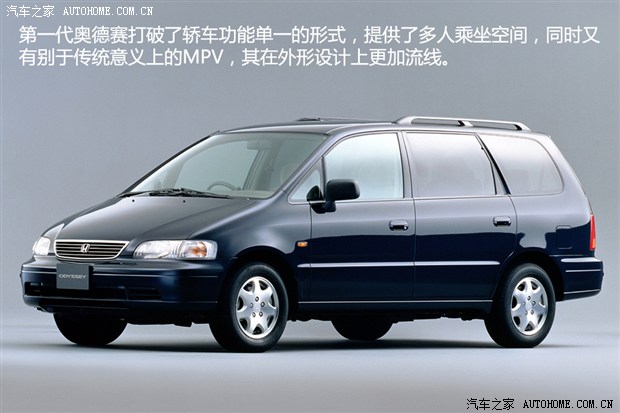
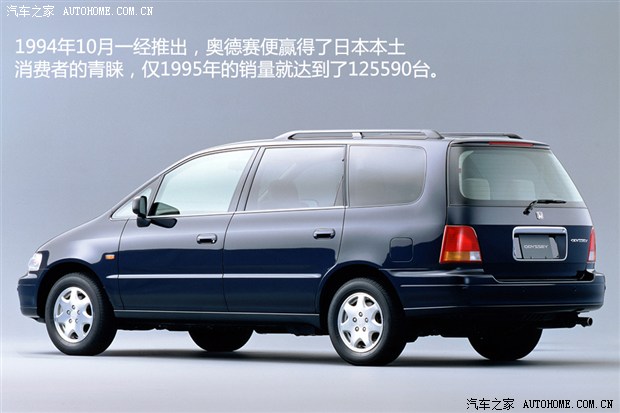
The first generation of Odyssey was designed by Nobuyuki Iwakura. He worked in Honda for many years and won many design awards, including: Civic, Accord and Odyssey were all designed by Nobuyuki Iwakura. The body dimensions of the first generation Odyssey are 4750mm×1770mm×1645mm and 2830mm respectively. The car adopts the layout of 5 doors, 6 seats or 7 seats, with streamlined appearance and regular shape. The rear doors are opened in the same way as cars, rather than MPV.
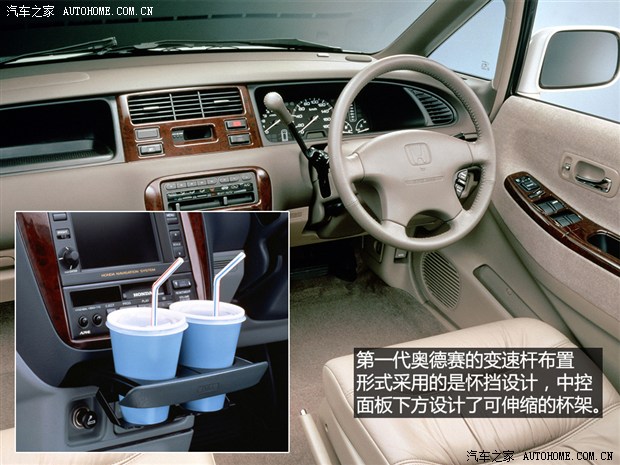
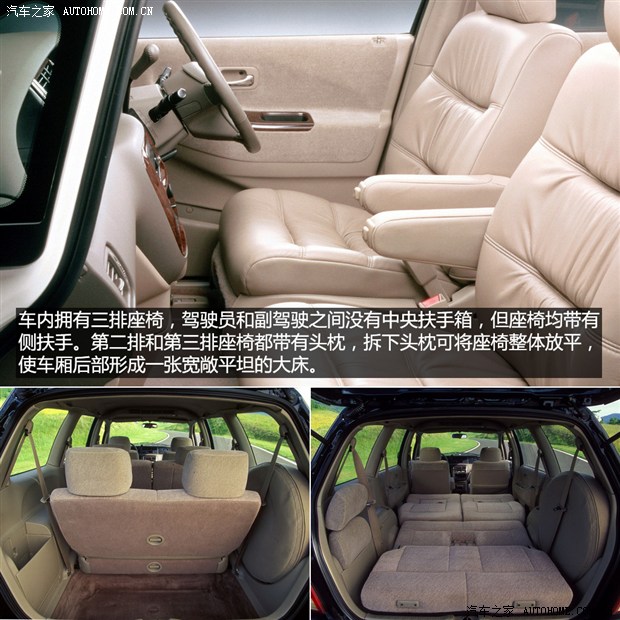
The biggest feature of the first generation Odyssey car is that it has an "aisle", which provides convenience for passengers to exchange positions in the car. The layout of the center console of the car is relatively regular, and the four-spoke steering wheel is quite satisfactory. The shift lever is located on the side of the steering column, but there is less storage space on the center console, and the cup holder is designed to be telescopic. The first row of seats all have side armrests, and the second row can be laid down to form a flat big bed, while the spare tire is placed vertically on one side of the trunk.
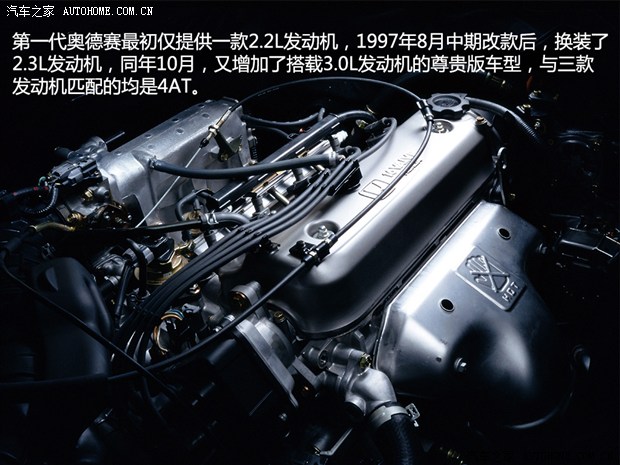
In terms of power, the first generation of Odyssey was originally equipped with a 2.2L straight 4 engine of model F22B, with a maximum of 145 HP /5600rpm and a peak of 196 Nm /4600rpm, which matched the engine with 4 speeds. The modified model introduced in 1997 was replaced with a 2.3L straight-4 engine with VTEC technology and model F23A. The maximum power was increased to 150 HP /5600rpm, and the peak torque was increased to 204 Nm /4700rpm. In addition, in the later period of Odyssey, a distinguished version with J30A 3.0L V6 engine was launched, with the maximum power of 200 HP/5,500 rpm and the peak torque of 265 Nm/4,700 rpm.
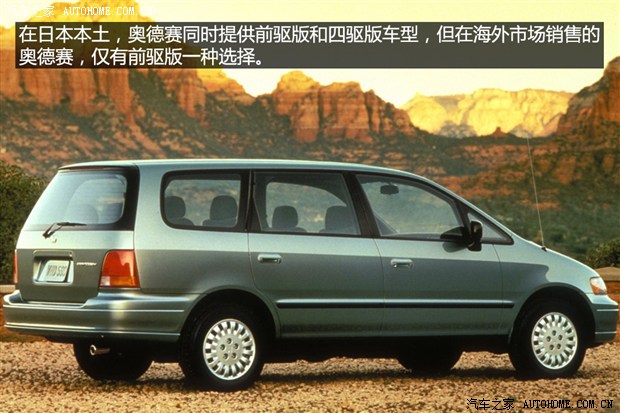
The chassis part, the first generation of Odyssey adopts the structure, and the front/back is the type. The car is available in two types, the four-wheel drive version is only available in Japan, but the premium version with V6 engine only provides the front drive mode.
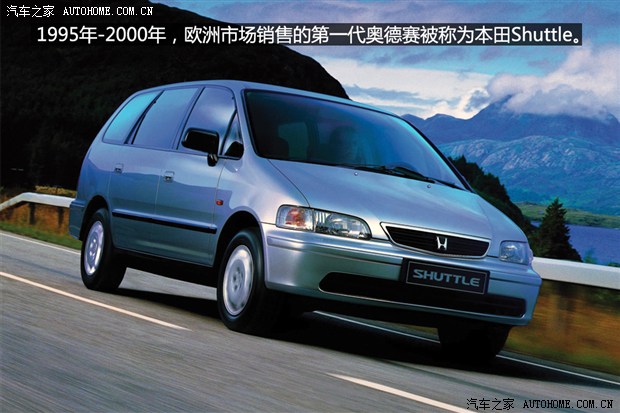
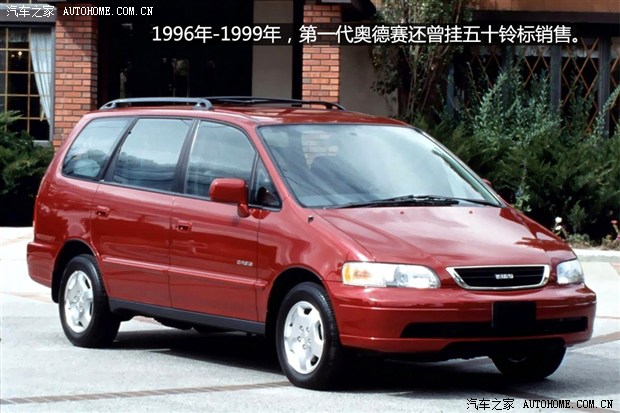
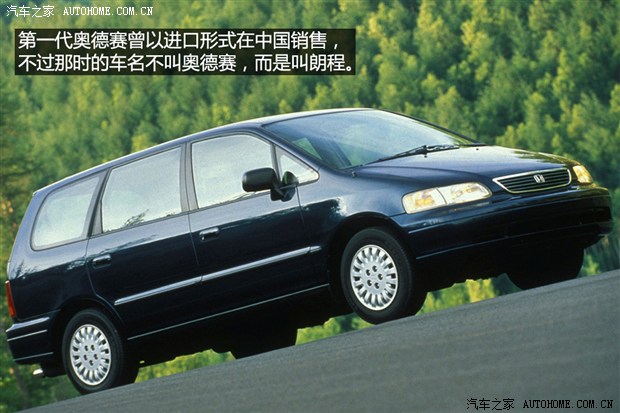
In the European market, the first generation of Odyssey is called huttle, while in Japan, because Honda and cooperative swap products are sold in a new label, the first generation of Odyssey is called Oasis in Isuzu’s product sequence. In China, the name of the first generation of Odyssey was originally named Langcheng. Langcheng entered the China market in 1996 and imported a total of 4,000 vehicles. At that time, the price exceeded 400,000 yuan.
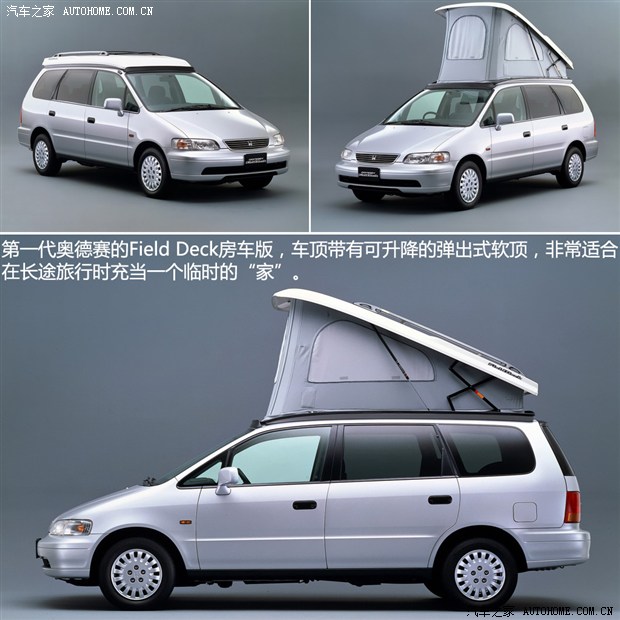
In the special edition, the first generation of Odyssey once introduced a Field Deck RV, which adopted a liftable soft top design with a pop-up soft top on the roof. The compact body covers all the functions of the RV and becomes a RV that can meet the outdoor life of two people.
◆ Japanese version of the Second Odyssey (1999 -2003)
In December 1999, Honda officially launched the second generation Odyssey in the Japanese market. The overall shape of the new generation of Odyssey basically follows the design of the first generation of vehicles, and only changes have been made in the details of the front and rear, so it is more like an upgrade to the first generation of Odyssey to make the car look more fashionable.
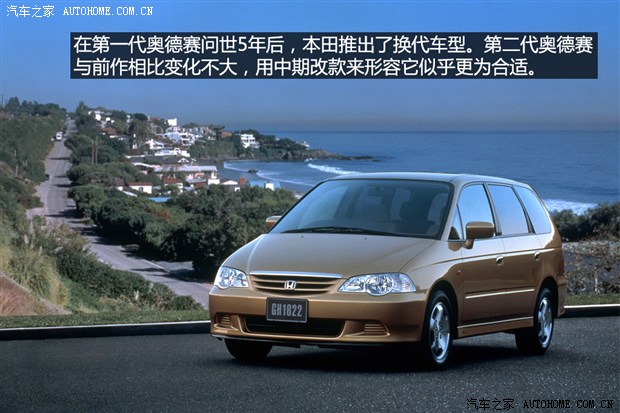
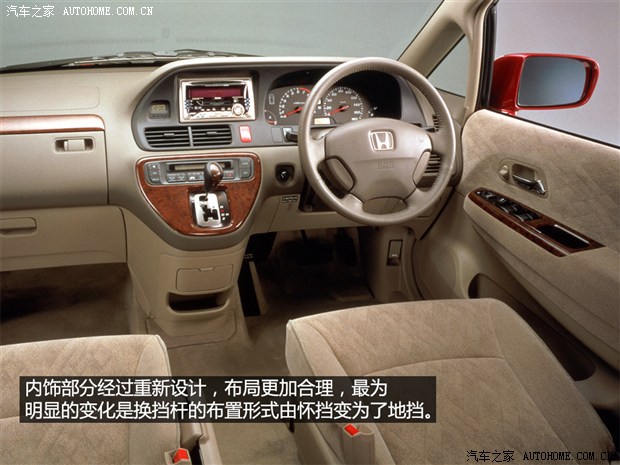
The body dimensions of the second-generation Odyssey are 4770mm×1795mm×1630mm, respectively. Compared with the previous generation, it has a wider body, and the center of gravity of the chassis and body is lower, while the wheelbase remains unchanged at 2830 mm. The interior of the second-generation Odyssey has been redesigned. The center console is centered on the driver, the steering wheel is still four-spoke, the shift lever is moved from the side of the steering column to the middle of the instrument panel, and functional modules such as audio system and air conditioning system have also been rearranged.
The second generation of Odyssey continues to provide 6-seat or 7-seat versions, and it has a flexible combination mode. The second row of seats can be moved back and forth, and can be laid down or folded up independently. At the same time, a new interface is added, and the third row of seats can also be laid down or folded up in the trunk floor as a whole. In addition, the spare tire originally fixed on the side wall of the trunk also changed its position and was moved to the position below the third row of seats.
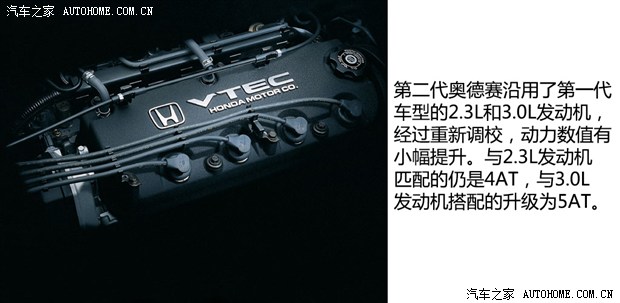
As for the power and chassis, the second-generation Odyssey continues to be equipped with a 2.3L straight-4 engine with a model of F23A. After re-adjustment, the maximum output power of the engine is 150 HP /5800rpm, and the peak torque is increased to 206 Nm /4800rpm. The engine is matched with a 4-speed automatic gearbox. At the same time, Honda continues to provide another model with J30A 3.0L V6 engine. After re-adjustment, its maximum output power is increased to 210 HP /5800rpm, and its peak torque reaches 270 Nm /5000rpm. The engine is matched with a new 5-speed automatic gearbox. On the other hand, compared with the first generation, the chassis structure of the second generation Odyssey has not changed. In addition to the predecessor models, Japan continues to provide four-wheel drive models.

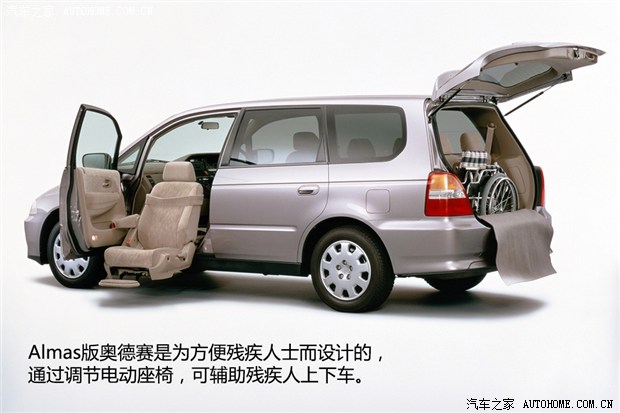
Since November, 2001, the second-generation Odyssey has added the Absolute Sport Edition for the first time, which was jointly launched by Honda and its royal refit factory Mugen. The Absolute Odyssey is more sporty in appearance and interior, and equipped with 17-inch large-size wheels, and its adjustment is more sporty. As for the special edition, the second-generation Odyssey has launched an Almas edition, which is designed for the disabled, and adopts an electric lifting seat, which can also be rotated to facilitate disabled passengers to get on and off.
North American version of the Second Odyssey (1999 -2004)
Because the first generation of Odyssey has been in a state of low sales in the United States, Honda decided to develop the second generation of Odyssey separately for the North American market. The research and development of the North American version of the second generation Odyssey is still led by Japanese engineer Odagaki Bondo. He and the project team members spent six months on-the-spot investigation in the United States, and found that MPV is not used for travel and vacation in the United States, but for daily life, so there is a North American version of the second generation Odyssey that is more in line with the needs of American consumers.
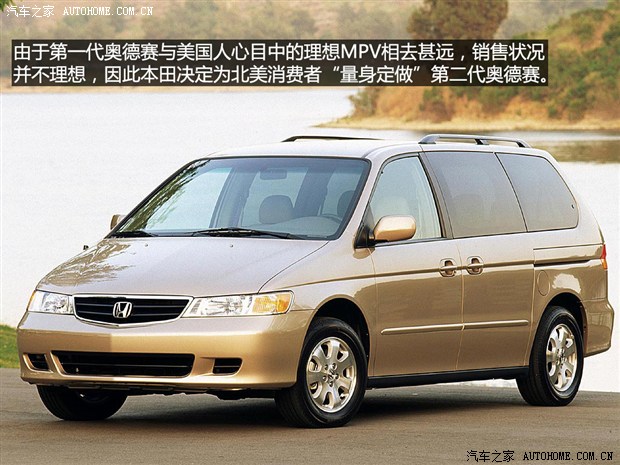
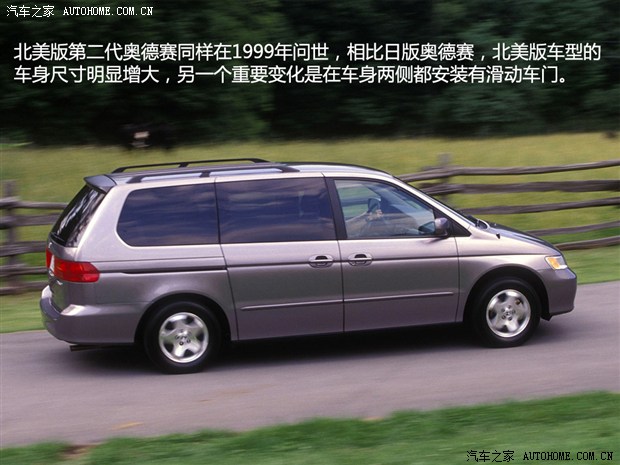
Honda’s second-generation Odyssey for North American consumers is a 7-seat model, which has more edges and corners in appearance than the first generation, and the body size is obviously increased, with the length, width and height of 5110mm×1920mm×1770mm respectively and the wheelbase of 3000 mm. The more important change is that the opening mode of the rear door has been changed to an electric side sliding door which is easy to operate.
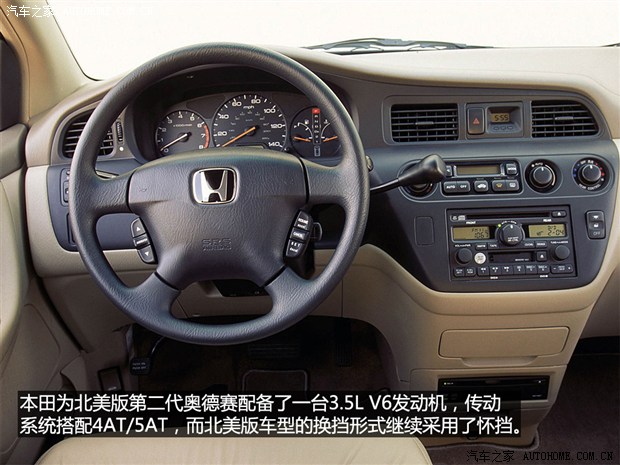
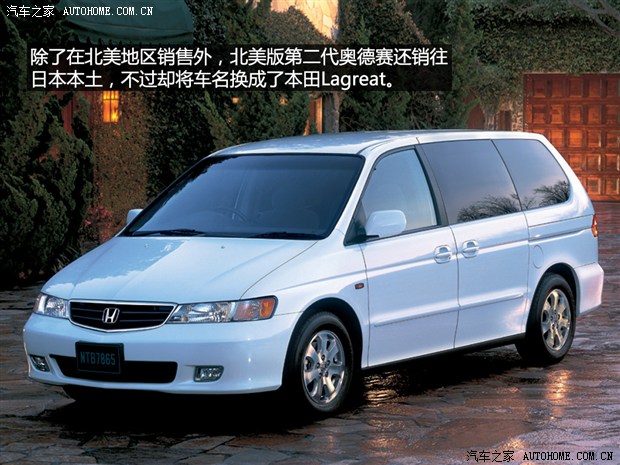
In the power system, Honda provided a 3.5L V6 engine for the North American version of the second generation Odyssey, with a maximum power of 213 HP/5,200 rpm and a peak torque of 229 Nm/4,300 rpm, with a 4-speed automatic transmission. After the modification in mid-2002, the power of the engine was greatly increased to 243 HP /5500rpm, and the peak torque was 242 Nm /4500rpm. The gearbox was upgraded to a 5-speed automatic gearbox. The North American version of the second-generation Odyssey has achieved great success in the American market. Compared with the first-generation model, the annual sales volume has increased several times, and it has become the sales champion of the same model. It is also worth mentioning that the North American version of the second generation Odyssey was also sold in Japan from 1999 to 2005 under the name of LaGreat.
Guangqi Honda Second Odyssey (2002 -2005)
The second generation Odyssey was put into production in Guangqi Honda in April, 2002. Based on the Japanese version of the second generation Odyssey, the second generation Odyssey in Guangqi Honda analyzed the demand for multi-seat vehicles in China from the development stage. At the same time, the actual driving conditions of domestic roads were repeatedly tested and investigated. In order to adapt to the road conditions in China, Guangqi Honda made several improvements to the Odyssey.
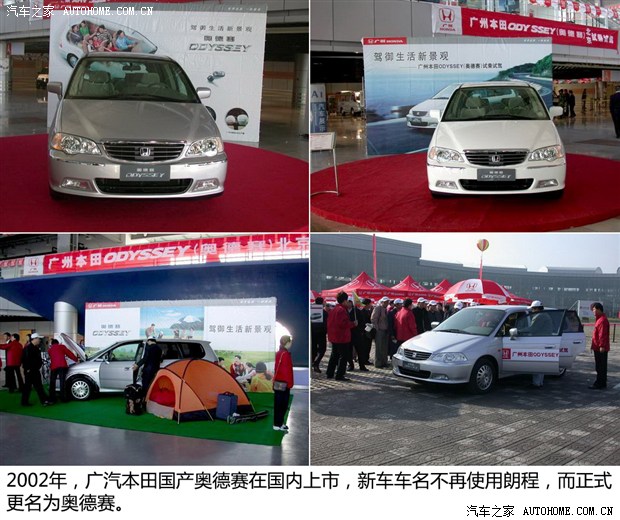
The official price of the original 2.3L 7-seat model is 298,000 yuan. Considering the international popularity and recognition of the name Odyssey, Guangqi Honda decided to adopt the "Odyssey" transliterated from the English name in the China market. In December of the same year, Guangqi Honda Odyssey added two new models, of which the refined version cost 278,000 yuan and the ordinary version cost 268,000 yuan.
◆ Japanese version of the Third Odyssey (2003 -2008)
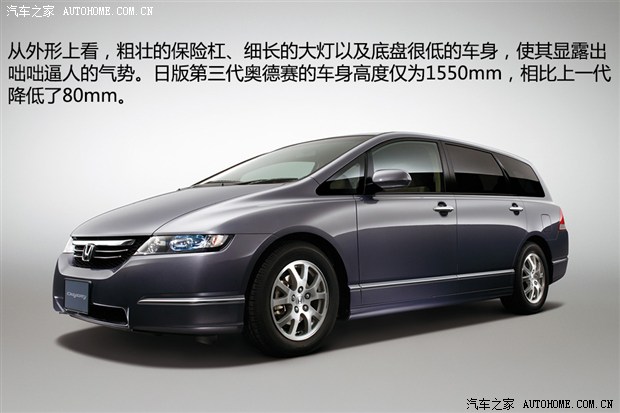
In October 2003, the Japanese version of the third generation Odyssey came out, which is the first time that Odyssey has adopted a brand-new design since its birth in 1994. The Japanese version of the third-generation Odyssey has an avant-garde appearance and a low body, which is not like MPV at all but more like a travel version of a car. The shape design of the new Odyssey is inspired by "Panther". The low body adopts the design of upper and lower floors, and the overall outline ratio is unique. The lower floor is a wide body with low center of gravity, and the upper floor is a spindle-shaped long cockpit, creating rich side shoulder lines in the middle.
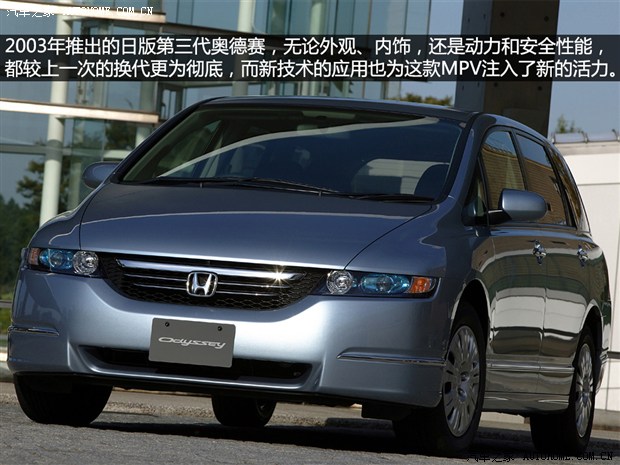
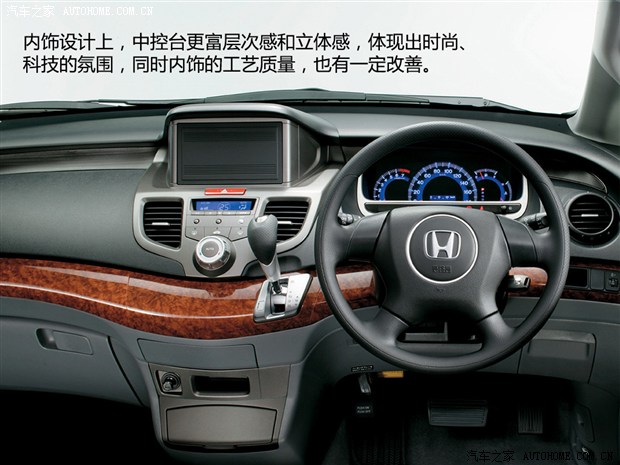
In the interior part, the multi-layer three-dimensional instrument cooperates with the shape of the center console that extends to the left and right in an arc shape, creating an interior atmosphere that gives consideration to both comfort and technology. The third-generation Odyssey has a body size of 4765mm×1800mm×1550mm and a wheelbase of 2830mm, and adopts a seven-seat design. Compared with the previous generation, the height of the car body is reduced by 80mm, and the fuel tank and exhaust system installed under the floor adopt thin design, and the latest design of compact rear suspension is adopted. The lowering of the body chassis does not affect the cockpit space. In addition, the third row of seats can be electrically folded and hidden into the floor, which makes the trunk form a very flat storage space.
ACE safety is one of the greatest technological innovations of the third generation Odyssey, which ensures that the front of the car will not be squeezed in when it collides with other vehicles. ACE safety body structure can disperse and absorb most of the energy to ensure the safety of passengers. In terms of safety configuration, the third-generation Odyssey is not only equipped with 4 airbags, but also has side air curtains running from the front row to the third row. Additional configurations include body stability assistance system, corner lighting headlights, reversing display, navigation and entertainment system, etc. As a driving assistance function, Absolute Sports Edition also has the option of rear-end collision prevention braking system (CMS).
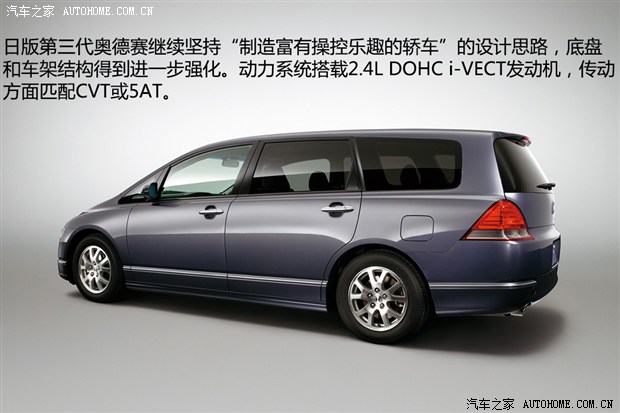
The third generation Odyssey no longer uses the previous 2.3L engine, but is equipped with a 2.4L engine instead. The maximum power output of this engine is 160 HP/5,500 rpm and the peak torque is 218 Nm/4,500 rpm on the normal version. On the Absolute sports version, the engine has been further adjusted, and the maximum power can reach 200 HP/6,800 rpm and the peak torque is 232 Nm/4,500 rpm. The standard version of the front-wheel drive model is matched with the transmission, while the standard version of the four-wheel drive model and the Absolute sports model are matched with the 5-speed automatic transmission.
North American version of the third generation Odyssey (2005 -2010)
The North American version of the third-generation Odyssey was launched in 2005. The new car has adopted a brand-new styling design. Compared with the previous generation, the body size has not changed much. The length, width and height are 5105mm×1958mm×1778mm respectively, and the wheelbase is still 3000 mm. The car provides a combination of 7-seat or 8-seat, in which the 7-seat version has a movable armrest box between the two seats in the second row.
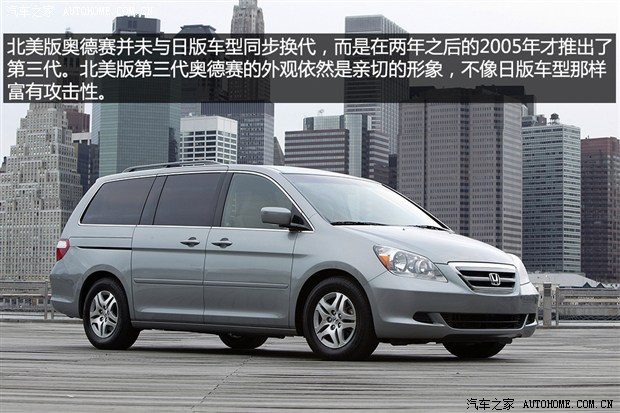
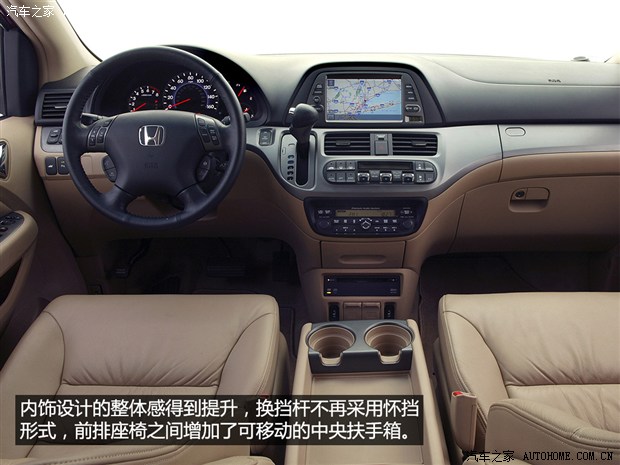
The North American version of the third-generation Odyssey uses a 3.5L V6 engine matched with a 5-speed automatic gearbox, but there are two different versions: one is the normal version, and the other uses a management system, which can close half of the cylinders when the load is light. The power and torque values of the two versions are the same, the maximum output power is 259 HP /5750rpm, and the peak torque is 250 Nm /5750rpm. However, the comprehensive fuel consumption per 100 kilometers of the vehicle with variable cylinder management system is 0.5L lower than that of the ordinary version.
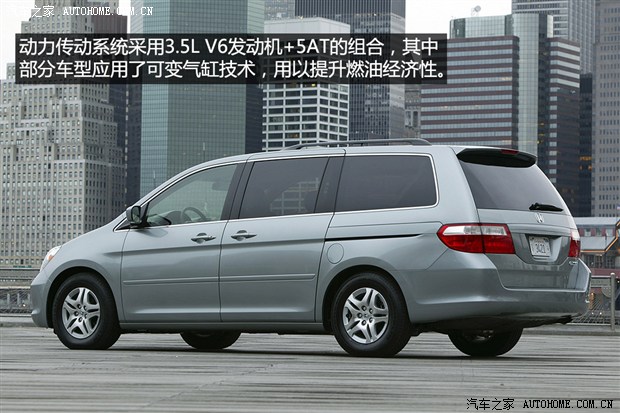
In 2006, the North American version of the third-generation Odyssey controlled the engine power output at 247 HP in order to meet the stricter new SAE J1349 standard, and in 2007 -2010, the engine torque was lowered to 240 Nm. In 2008, the North American version of the third-generation Odyssey underwent a mid-term change, with minor changes in appearance and interior, and optimized configuration.
Guangqi Honda’s Third Odyssey (2005 -2009)
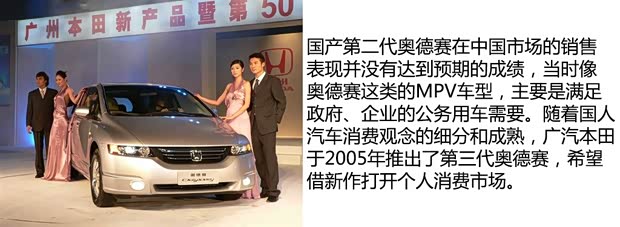
Guangqi Honda’s third-generation Odyssey was launched in March 2005. The car is based on the Japanese version of the third-generation Odyssey, and its power system is equipped with a 161-horsepower 2.4L i-VTEC engine, which is matched with a 5-speed automatic transmission. Initially, two models were launched, of which the basic model cost 246,800 yuan and the comfortable model with skylight cost 254,800 yuan. In January, 2006, Guangqi Honda launched the 2006 Odyssey. On the basis of the original basic model and comfortable model, a deluxe version with navigation system was added, and the price was 274,800 yuan.
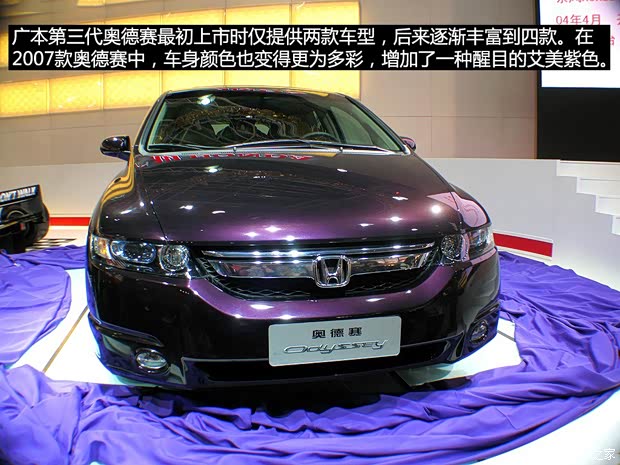
In December 2006, the 2007 Guangqi Honda Odyssey was officially launched after many improvements. There are 4 models of 07 Odyssey, and the price is 22.88-27.48 million yuan. The 07 Odyssey has a simple front grille that has been redesigned, the tail shape is completely new, and the taillights are smooth and more fashionable and dynamic. 07 Odyssey also added a new color Emmy purple, giving people a very eye-catching impression. The 07 Odyssey is equipped with the front seat side, which further improves the safety performance. In addition, on the basis of the original leather seat version, a flannel seat version has been added to meet the individual needs of different users.
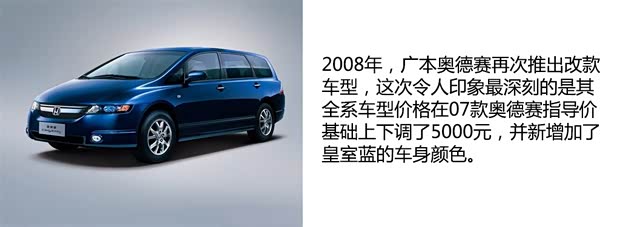
In February 2008, the 2008 Odyssey went on the market, and its price was reduced by 5,000 yuan compared with that of the 2007 Odyssey. The price of four models was 223,800-269,800 yuan. A royal blue body color was added to the 08 Odyssey, and the car Bluetooth system and reversing radar were added in the configuration, which further improved the functionality.
◆ Japanese version of the Fourth Odyssey (2008 -2013)
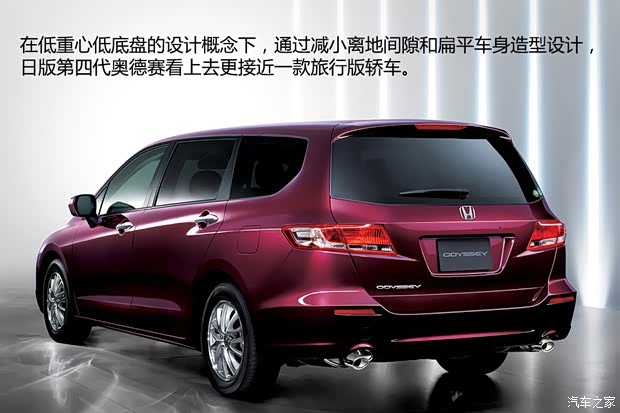
In October 2008, the fourth generation of Odyssey was released in Japan. This generation of models adopts a new front face, and the chrome-plated mesh has become a must for Honda’s new generation of models, which has a strong visual impact. The new car still uses a parallelogram headlight design that reflects the sense of science and technology. The front fender wraps the bumper and protrudes slightly at the bottom. The fourth-generation Odyssey’s body dimensions are 4800mm×1800mm×1545mm, with a wheelbase of 2830mm, and it is designed with seven seats.
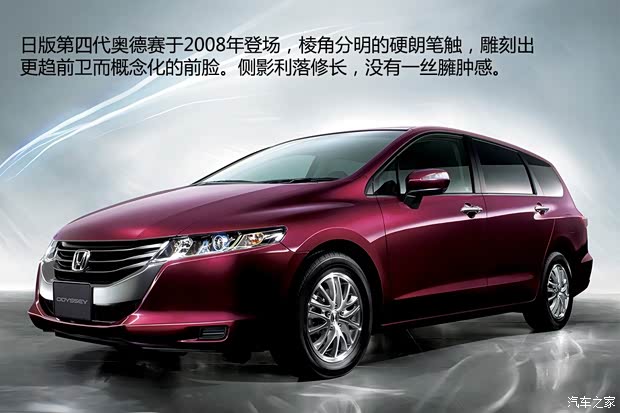
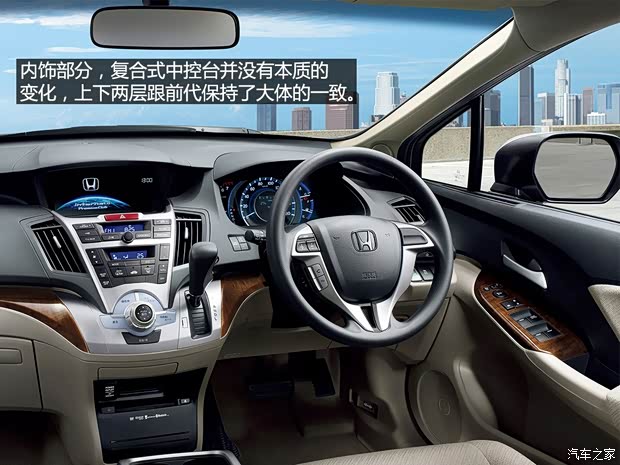
In the interior part of the fourth generation Odyssey, the layered center console is full of three-dimensional sense, but this design makes the front row space somewhat complicated. The dashboard has a huge speedometer, and the prominent position in the middle of the dial is equipped with more eye-catching cold light. The tachometer, water temperature, oil gauge and other vehicle status indicator lights are respectively on both sides of the instrument panel. The DVD entertainment system and GPS navigation are still installed at the top position in the middle of the T-shaped area. The air-conditioning outlet below keeps the style of the third-generation models, and the audio and air-conditioning control buttons are added in the middle.
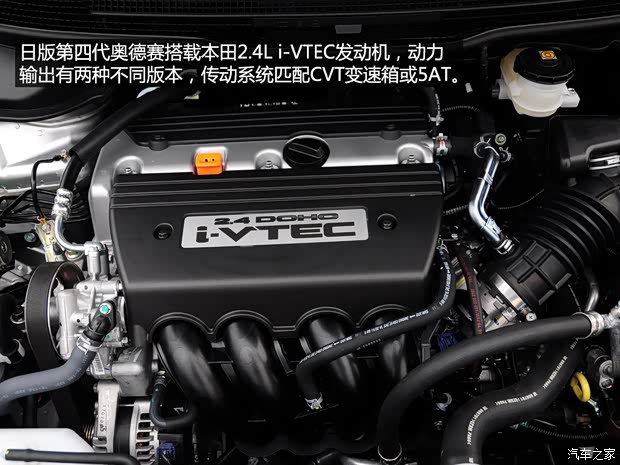
The fourth-generation Odyssey is powered by a re-adjusted 2.4L i-VTEC engine with a maximum power of 173 HP /6000rpm and a peak torque of 222 Nm /4300rpm. On the Absolute sports version, it is equipped with a higher engine of the same model. The maximum output power of the predecessor version is 206 HP /7000rpm and the peak torque is 232 Nm/4300 rpm. The maximum output power of the four-wheel drive version is 204 HP /7000rpm, and the peak torque is 230 Nm /4300rpm. In terms of traditional systems, the fourth-generation Odyssey’s predecessor models can choose CVT gearbox or 5-speed automatic gearbox, while ordinary four-wheel drive models and Absolute sports version are all equipped with 5-speed automatic gearbox. The chassis structure of the fourth generation Odyssey has not changed compared with the previous generation.
North American version of the fourth Odyssey (2010-present)
The North American version of the fourth-generation Odyssey was released in June 2010. The length, width and height of this generation of vehicles are 5154mm×2012mm×1737mm respectively, and the wheelbase is still 3000mm without change. The North American version of the fourth-generation Odyssey provides a combination of 7 seats or 8 seats, and the rear doors are also opened by electric side sliding doors. In the power system, the North American version of the fourth-generation Odyssey is equipped with a 3.5L V6 engine, with a maximum power of 251 HP /5700rpm and a peak torque of 339 Nm /4800rpm, with a 5-speed automatic transmission (Touring model with a 6-speed automatic transmission).
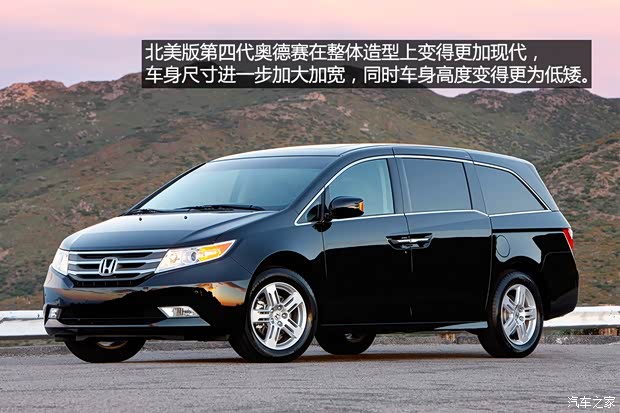

In 2013, the North American version of the fourth-generation Odyssey was redesigned in the mid-term, and a brand-new dual-spoke air intake grille was designed, and its front bumper shape was also adjusted. The new car also adopted a two-color rearview mirror shell and. The transmission system of the new model is completely changed into a 6-speed automatic gearbox. The Touring version also has a built-in car vacuum cleaner, which is placed in the trunk area on the driver’s side. This system allows the owner to clean the car at any time, and there is no need to charge it when the engine is working. When the car engine stops working, it can work for an extra 8 minutes.
The 4th Odyssey of Guangqi Honda (2009-present)
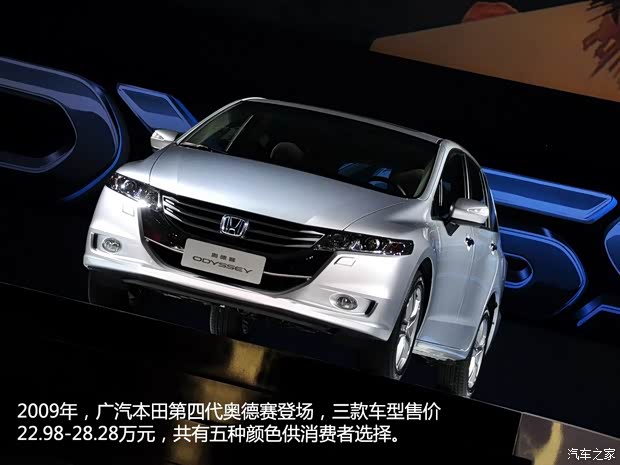
In September 2009, Guangqi Honda’s fourth-generation Odyssey was officially launched, and the new car continued to be based on the Japanese Odyssey. The power system was equipped with a 181-horsepower 2.4L i-VTEC engine and matched with a 5-speed automatic transmission. There are three models put on the market in the first batch, namely, the comfort version, the luxury version and the show-leading version, and the price range is 229,800-282,800 yuan.
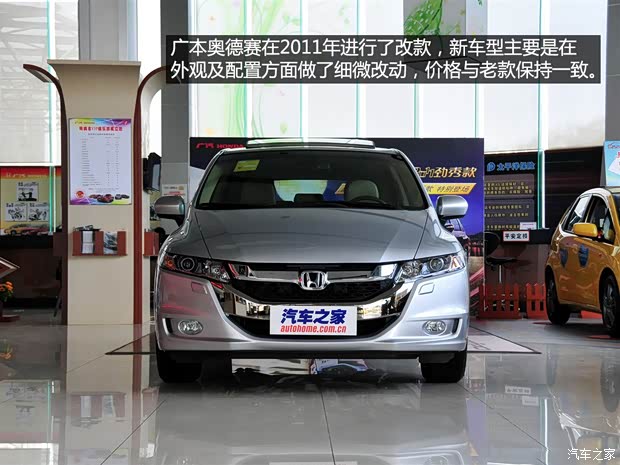
In August 2011, the 2011 Guangqi Honda Odyssey went on the market. The new car mainly made minor changes in appearance and upgraded some configurations. Chrome-plated decoration has been added to the air intake grille and rear luggage compartment lid of the 2011 Odyssey. In terms of configuration, the 2011 Odyssey has added an electronic anti-glare interior rearview mirror, which can automatically turn on the anti-glare function with ambient light, and can also cooperate with the reversing icon function. The price of the 2011 Odyssey is the same as that of the old models, which is still 229,800-282,800 yuan.
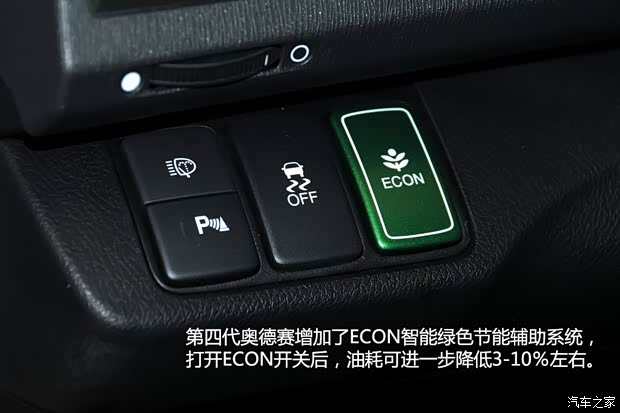
In July 2012, Guangqi Honda launched the 2013 Odyssey, and the number of models increased from 3 to 6, which enriched the choices of consumers. The price range of new cars was 229,800-279,800 yuan. The 2013 Odyssey used a three-bar chrome grille, and the tail was redesigned to make the taillights sharper. The chrome trim of tailgate, which was originally only available on high-profile models, became the standard of the whole system. In terms of configuration, the 2013 Odyssey was completely upgraded, and the ECON intelligent green energy-saving auxiliary system was added in the whole system to achieve the purpose of improving fuel economy.
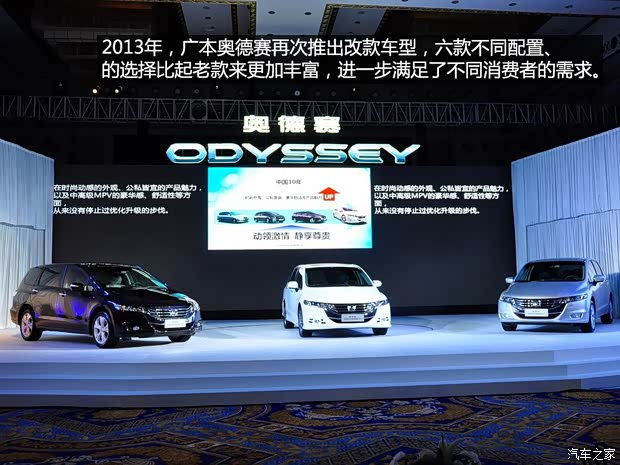
In March, 2013, Guangqi Honda Odyssey added two more Mingjian models. The main change was the installation of a "full-view driving system", and the price range was 276,800-286,800 yuan. In December 2013, the 2014 Odyssey was launched, and the price range of six models was 229.8-286.8 thousand yuan. Compared with the 2013 model, the 2014 Odyssey has little change, only the amber gold appearance color is added, and the black interior of the luxury model is optional.
◆ Japanese version of the Fifth Odyssey (2013-present)
In November 2013, Honda’s fifth-generation Odyssey was officially listed in Japan. The new generation of Odyssey gives people a refreshing feeling in both appearance and body size. The heavy style and higher body make it obviously different from the previous generation. The fifth-generation Odyssey is still divided into two shapes: the standard version and the Absolute sports version. The Absolute version has a larger chrome-plated middle net and a more sporty surrounding style.
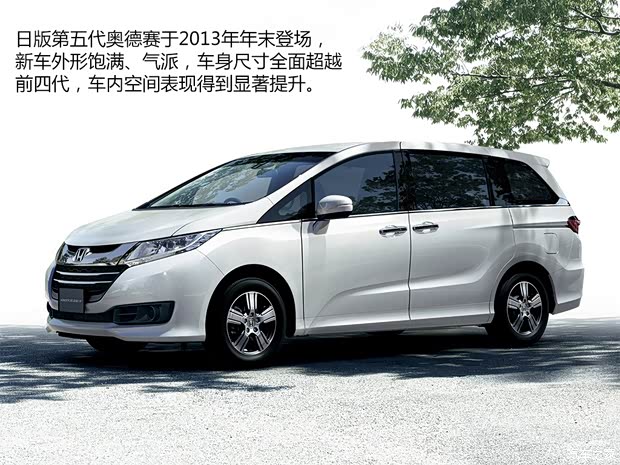
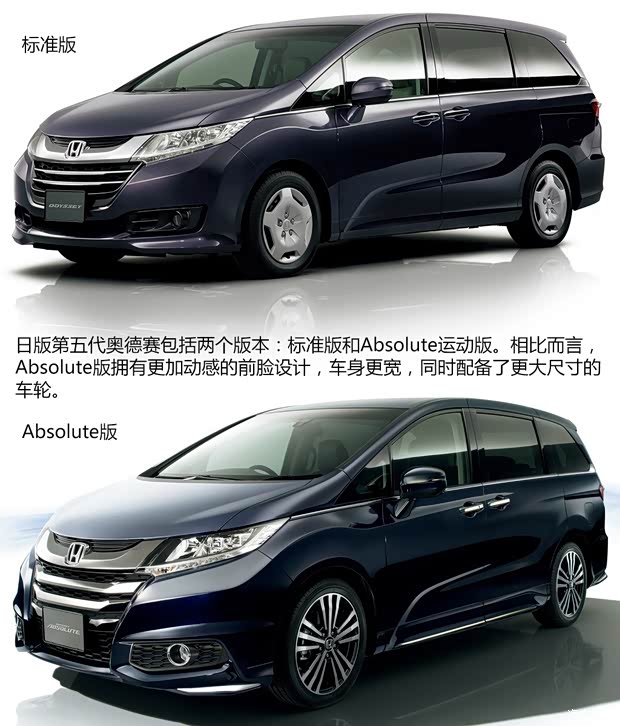

The more important change of the new generation Odyssey is to change the opening mode of the second row of doors into the design of large-opening electric side sliding doors, which makes it very convenient to get on and off. In terms of body size, the fifth-generation Odyssey completely surpassed the previous generation, with its length, width and height of 4830mm×1800mm×1695mm respectively, and its wheelbase increased to 2900mm.


The interior style of the fifth-generation Odyssey is more concise as a whole, and the multimedia display screen and air conditioning control area at the center console are all touch-operated, which is full of science and technology. At the same time, the new Odyssey has also been improved in technology and safety configuration. Active braking, automatic parking function for lateral and vertical reversing, warning of reversing blind zone, 360 and auxiliary system for parallel blind zone have all become the equipment on the new car.
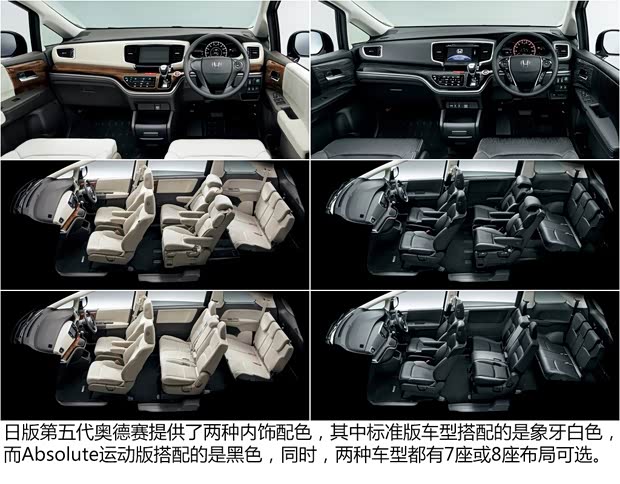
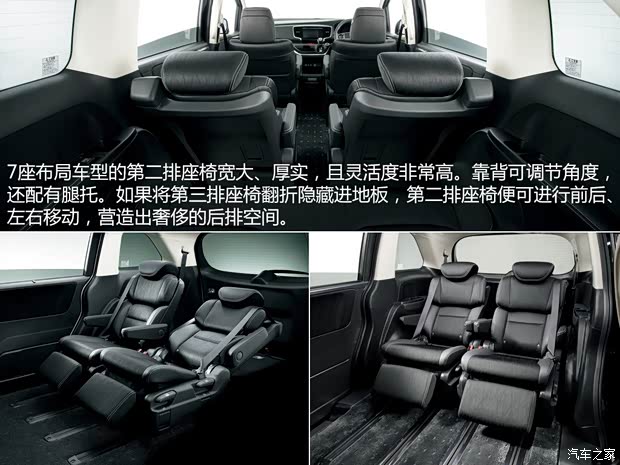
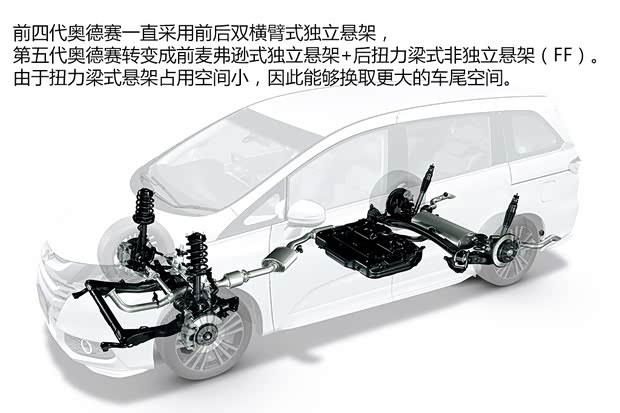
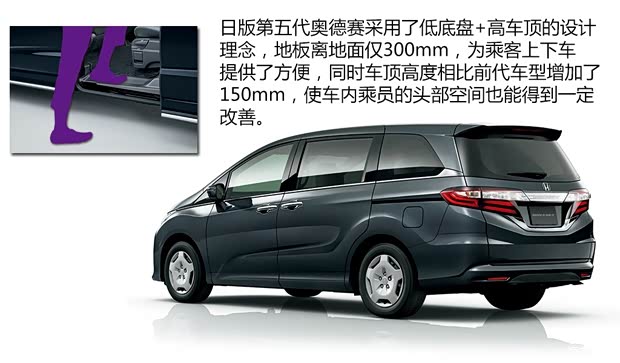
The fifth-generation Odyssey provides two kinds of seat combinations: 7-seat and 8-seat, in which the "boss chair" in the second row of the 7-seat version adopts a relaxed and comfortable senior long-backed seat. The new generation of Odyssey not only improves the height of the roof, but also reduces the height of the chassis. The suspension form adopts front independent suspension and rear torsion beam, and the "ultra-low chassis" structure ensures spacious interior space and stable driving performance.

In the power system, the standard model is equipped with K24W series 2.4L i-VTEC engine, with the maximum power of 175 HP/6,200 rpm and the peak torque of 225 Nm/4,000 rpm. The engine is matched with CVT gearbox. Absolute sports version is equipped with K24W series 2.4L direct injection engine, in which the maximum power of the predecessor version is 190 HP/6,400 rpm and the peak torque is 237 Nm/4,000 rpm, and the maximum power of the four-wheel drive version is 185 HP/6,400 rpm and the peak torque is 235 Nm/4,000 rpm. The engine is matched with a CVT gearbox with 7-speed analog gears.
Guangqi Honda’s fifth-generation Odyssey will be released at the Beijing Auto Show, which opened in April. Whether the new car will still be based on the Japanese Odyssey is still inconclusive. It is reported that Guangben’s fifth-generation Odyssey is expected to be officially listed in the middle of this year.
Summary: Honda Odyssey was not divided into Japanese version and American version at the beginning of its birth, but due to the special needs of MPV models in the American market, Honda independently developed the North American version from the second generation Odyssey. The difference between the Japanese version of Odyssey and the American version of Odyssey is not limited to the appearance and interior design, but both of them have completely different equipment in terms of space and power. Guangqi Honda launched a domestic model based on the second-generation Japanese Odyssey in 2002. Since then, the third and fourth generations have also adopted the Japanese design. At the end of 2013, the Japanese version of the fifth-generation Odyssey came out. On the new car, we saw the side sliding door design that was only used in the North American version, and the North American version of the Odyssey has not yet launched the fifth generation. Guangqi Honda’s fifth-generation Odyssey will meet domestic consumers at the Beijing Auto Show in April this year. Let’s see if the new car can be recognized by consumers. (Text/car home Li Yiwen)