Try the targeted upgrade of 2024 Weilai ET7 to strengthen the high-end administrative positioning.
In 2021, Weilai brand released a product focusing on the high-end executive car market. Because it is a pure electric energy model and focuses on the high-end route of intelligent walking, it is also a sword finger and this kind of executive car product in the vehicle positioning and market. After listing, it once became the domestic 400,000 pure electric car market, with the first cumulative sales volume in history.
Two years later, the 2024 Weilai ET7 was launched, and the new car was fully upgraded in appearance, interior, intelligence and driving safety, with the addition of Maibakh’s same rear sliding seat, NIOLink panoramic interconnection in the rear, and higher-level administrative configuration such as rear screen.
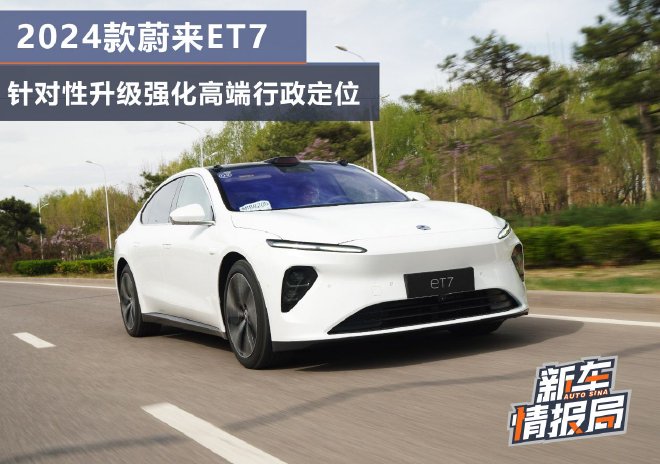
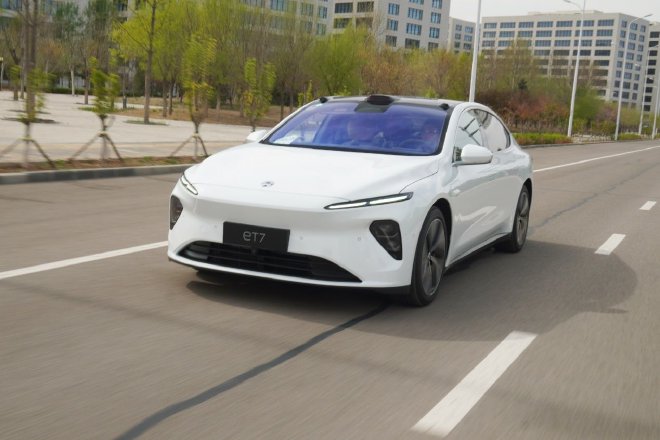
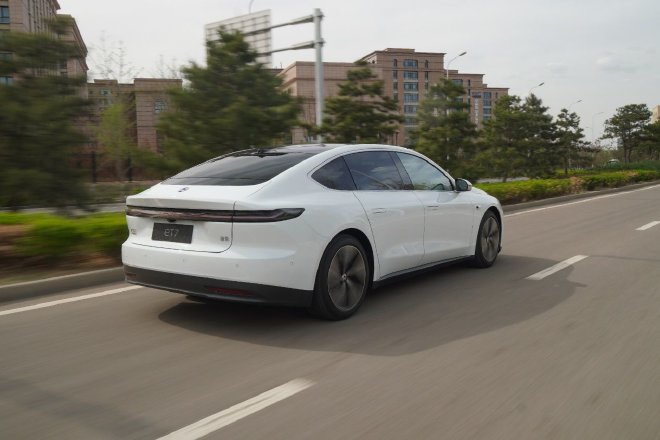
In terms of appearance, the 2024 Weilai ET7 has not changed much. The body size of the C-class still looks introverted. Weilai’s family design elements are spread all over the body, and the electrification attributes make this car have a good sense of fashion and technology. The color scheme of "Yue Hui Silver" was added to the 2024 ET7, which was inspired by the moonlight shining from the headwind of Meili Snow Mountain. The new color scheme also increased the business attributes of this car.
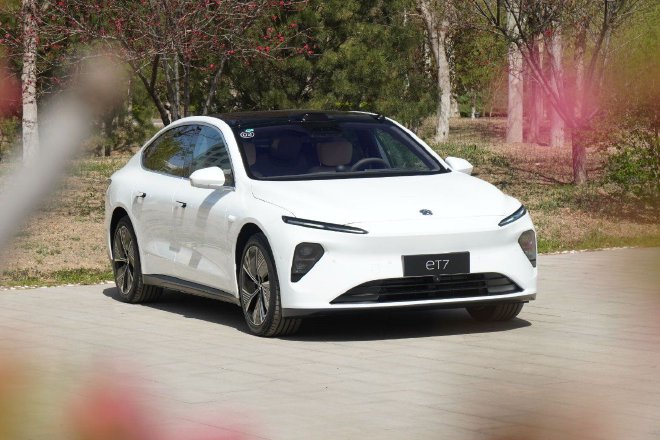
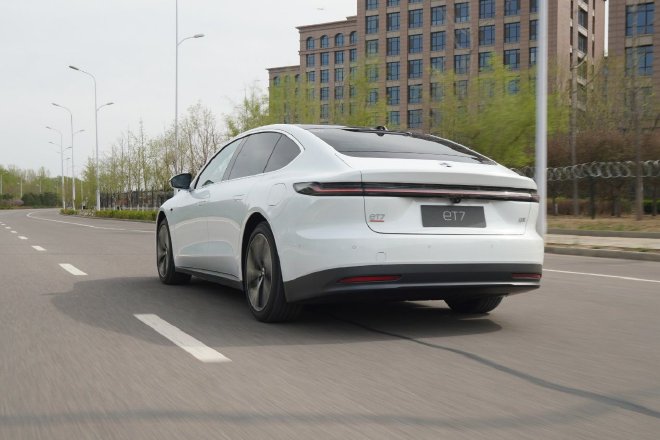
In addition, the "EXECUTIVE EDITION" signature LOGO was added to the rear of the vehicle in the 2024 ET7 Executive Edition because of the ET7 logo, which reflected the administrative and commercial attributes, and the styling inherited the tail logo of the founding edition, which was more exclusive and unique.
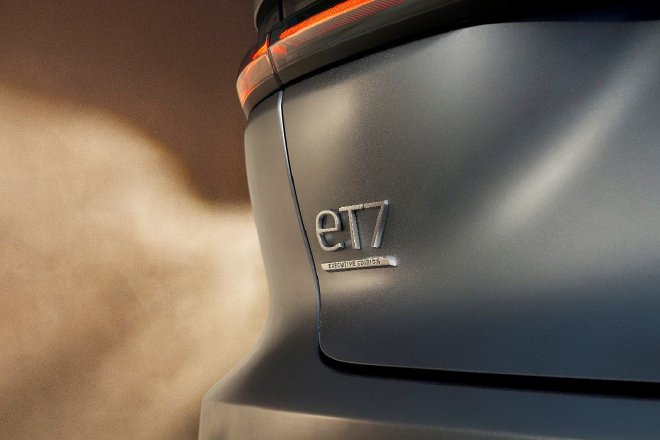
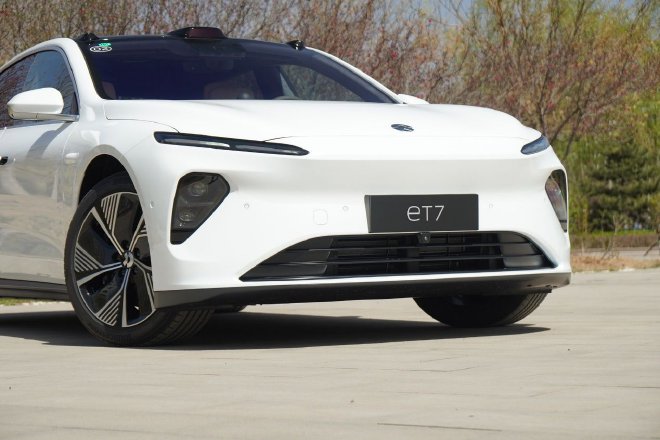
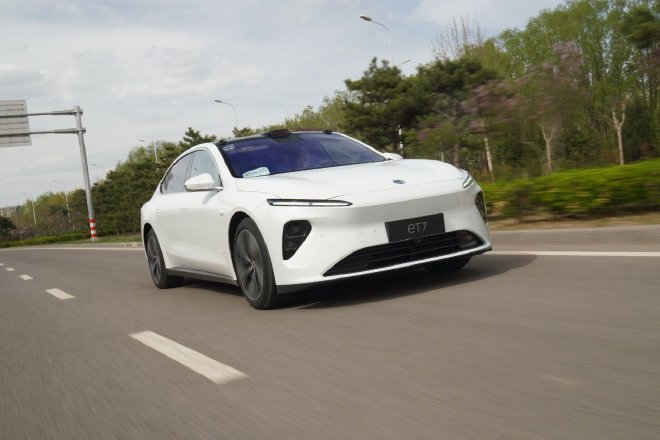
Everyone should be familiar with the design of the front of the Weilai model. The pure and futuristic front face style, with body LED⼤ lights and Double-Dash daytime running lights, is integrated into the X-bar shape of the front, creating a brand-new closed front face style and creating a more pure and futuristic family design language.
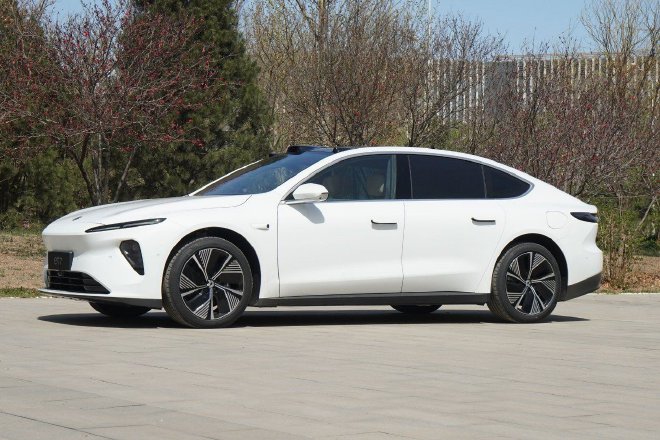
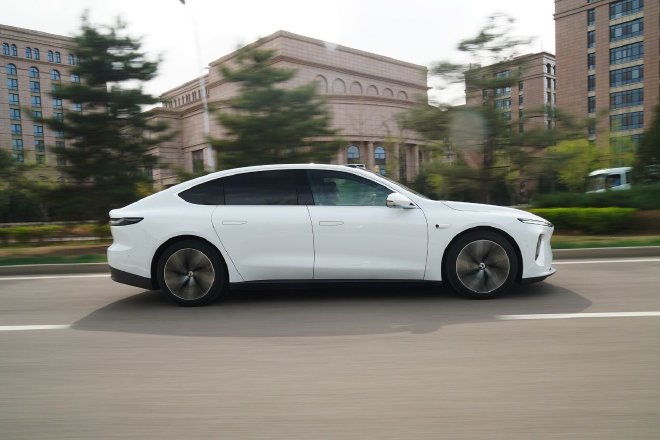
The 2024 Weilai ET7 continues the current smooth and dynamic design language in terms of car side modeling, and the overall lines run through from the front of the car to the rear of the car, which is very smooth in one go. The rounded shape has no edges and corners, and it is as smooth as pebbles. After reflecting light, it can present a good refraction effect. The vehicle is 5098mm long, 1987mm wide and ⾼1505 mm wide, which is in line with the size and momentum of an executive car from the sense of volume.
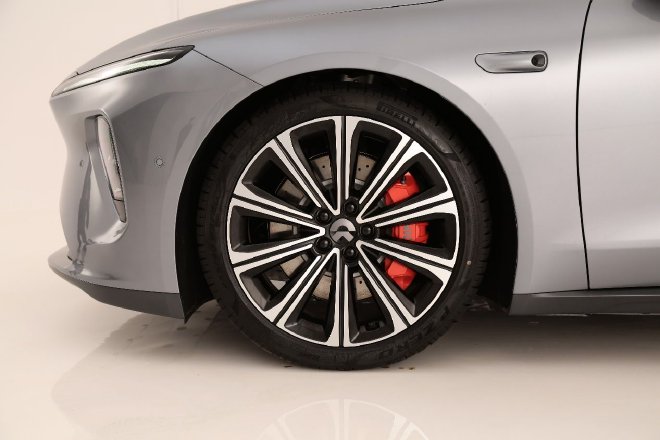
The model of this test drive adopts the familiar wheel hub shape, which matches the 20-inch Bridgestone brand tire, and the overall effect looks very harmonious. On the other hand, the executive model adopts a brand-new 21-inch multi-spoke brilliant rim, which will look more textured and more in line with the positioning of the executive model. In addition, the new car can also be equipped with Brembo six-piston high-performance calipers, which improves the braking efficiency by 26%.
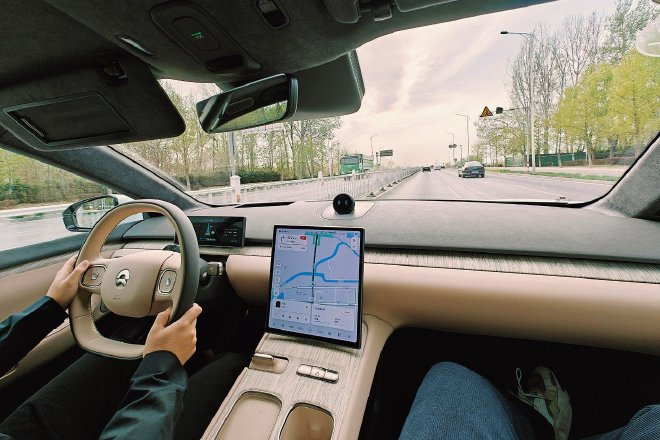
As a flagship model in a brand, the 2024 Weilai ET7 has not changed in the overall design of the cockpit, and it is still a simple style with a strong sense of science and technology. The materials used in the interior have been upgraded, the soft covering area has been increased at the upper end of the instrument panel, and the design of the HUD joint part has been optimized to enhance the tactile and visual exquisiteness of the interior. In addition, the "Pamir Brown" color scheme is added to the interior, and the theme of the interior is matched with the dark gray microfiber ceiling, which makes the whole cabin environment more business-advanced.
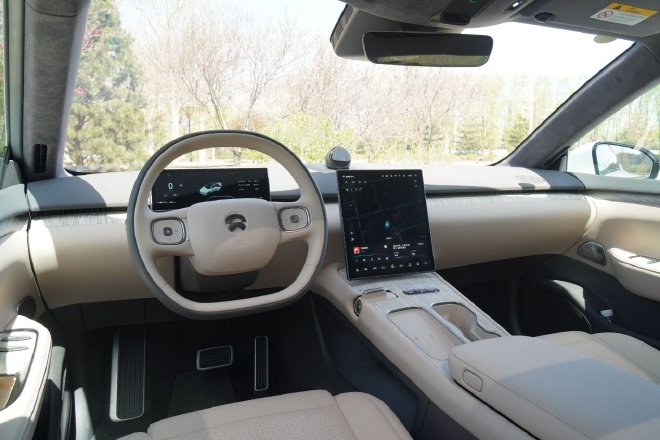
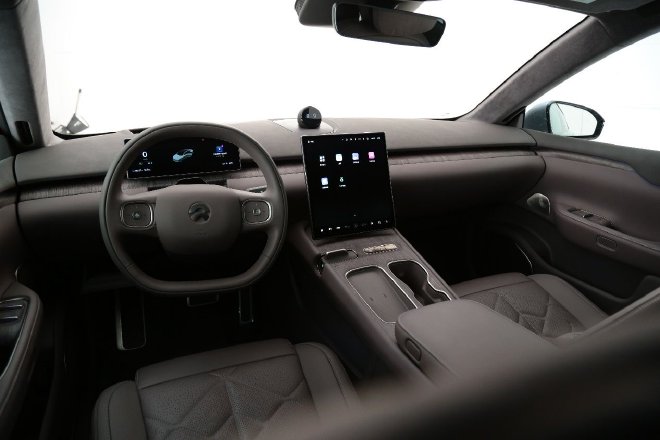
2024 weilai ET7 executive cockpit
The main contact surface has been treated with antibacterial and anti-fouling. Based on the silver ion technology, the main contact surface of the interior decoration can inhibit the growth of bacteria up to 99.99%, permanently protecting the product from bacteria, fungi and molds. Anti-pollution treatment of light-colored leather adopts silicone ingredient formula, which ensures silky feel and greatly enhances the anti-pollution and easy cleaning ability of light-colored epidermis.
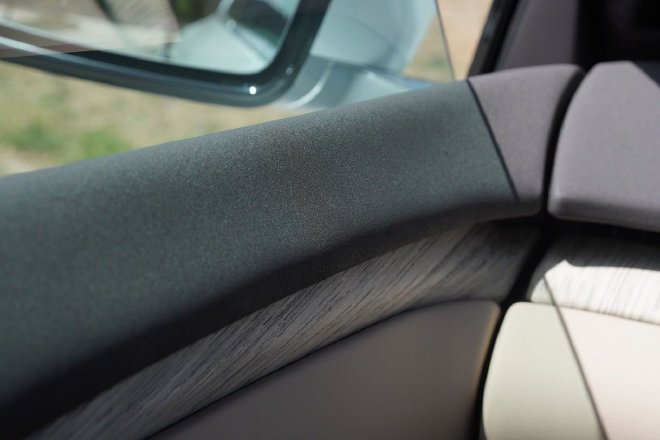
The cockpit of the 2024 Weilai ET7 not only retains the advanced feeling of the executive model, but also adds a brand-new flight executive seat this time. The whole car seat frame comes from Weilai high-end seat platform, with 10-layer structural design. From the innermost frame to the outermost skin-friendly Nappa dermis, each layer has undergone rigorous design and comfort evaluation.
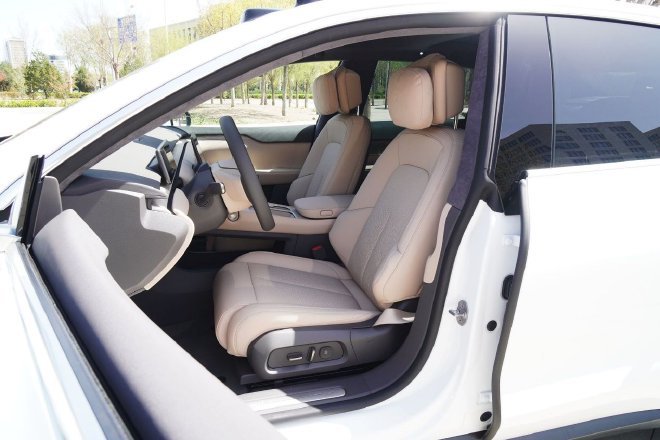
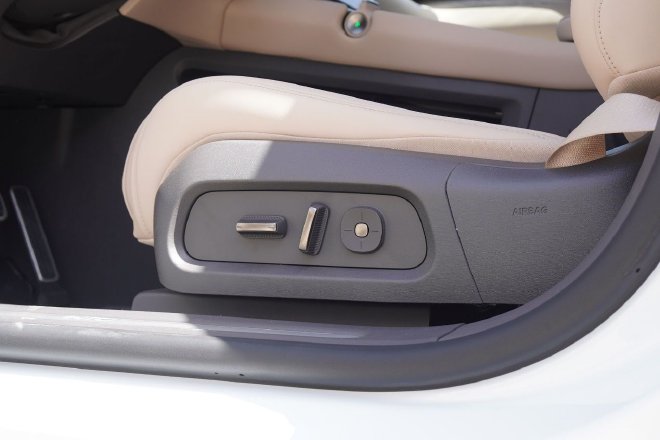
In addition to sitting comfortably, the front seat of the test drive model also supports 18 adjustment functions, as well as ventilation, heating and massage. Leg supports and lumbar supports are also equipped. When the backrest of the front row of seats is laid back to show a flat posture, the rear section of the seat cushion will also rise up synchronously, forming a supporting role for the waist and buttocks.
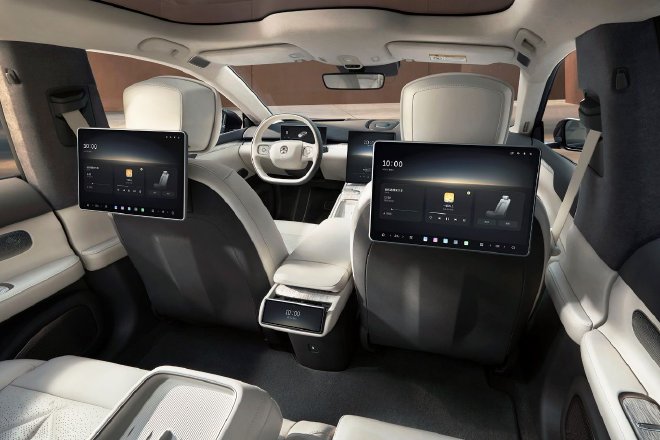
As an administrative model, the rear seats of the 2024 ET7 are designed independently on the left and right, which are not only the same in material as the front seats, but also certified by AGR of the German Back Health Association. The rear seat supports 14 angle adjustments, with heating (zone heating), ventilation (zone ventilation) and massage. At the same time, it also has the sliding function of the same model in Maibakh.
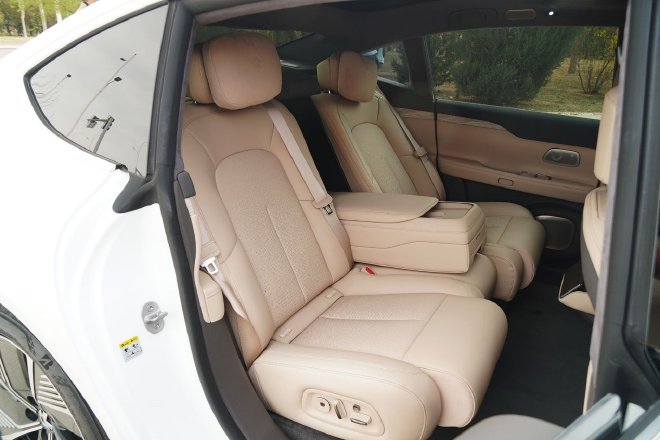
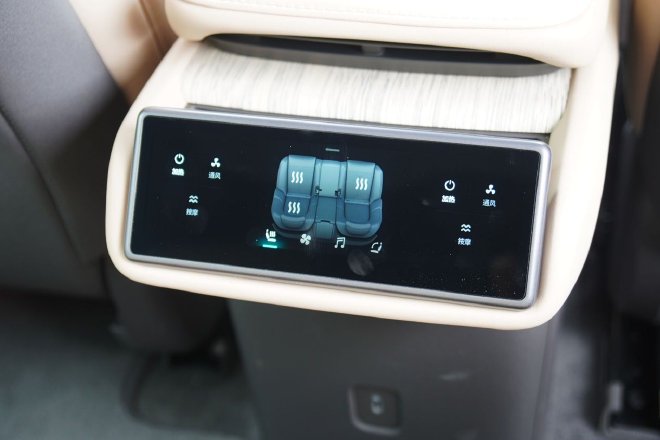
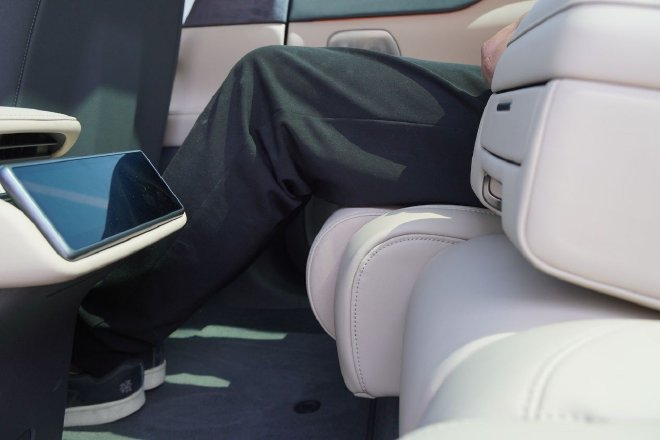
Turn on the reclining function, the passenger seat is pushed forward, the right seat in the rear row is moved forward by 72mm, and the backrest angle is adjusted from the standard position of 27 to 37. The reclining angle is the largest in the same class, which ensures that the riding posture can be adjusted to the greatest extent and conforms to the height and body shape of different users.
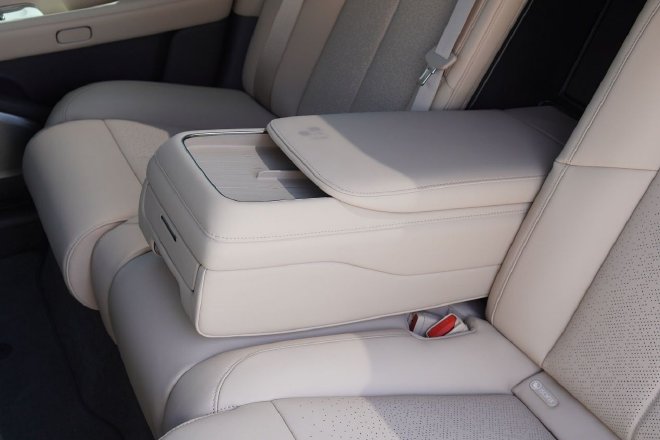
The large central armrest in the rear row is lowered to increase the ride comfort in the rear row. The length of the central armrest is 560mm (excluding the headrest) and the width is 250 mm. Two 40-watt mobile phone wireless charging panels are designed above, and the rear water cup bracket uses a hidden pop-up design.
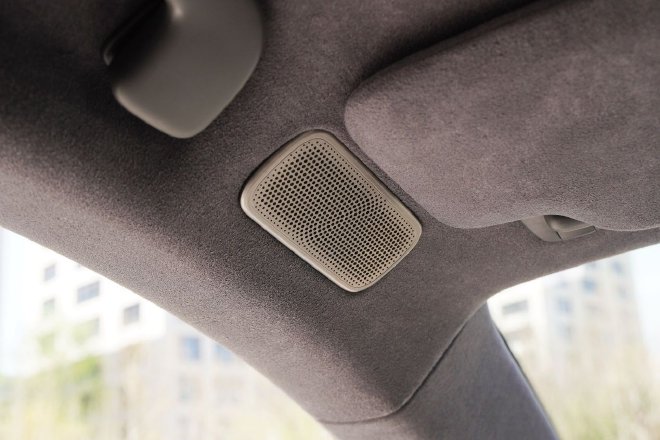
In order to further increase the administrative attributes and luxury of the vehicle, the 2024 Weilai ET7 is equipped with an upgraded version of 7.1.4 audio system, 230W speakers, and the power is as high as 2,230 W. Dirac pro acoustic algorithm is tuned by the master to restore the real sound, and the actual audition experience is really shocking.
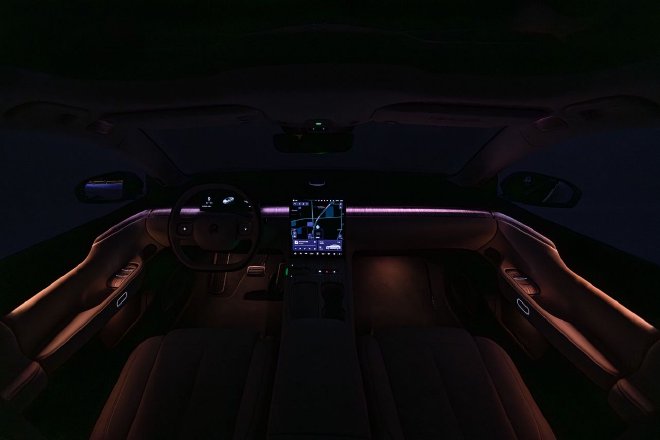
At the same time, the new car changed the atmospheric light from the original refraction type to the light waterfall type, and the colors of the door panel, storage and floor layer can be independently adjusted and controlled. If the theme of "natural skylight" is selected, the ambient light can also automatically adjust the brightness and color of the ambient light in the car according to the change of light in one day. The light belt extends from the center console to the rear door, and the newly added atmosphere light beads on the shoulder of the rear seat can present the visual effect surrounded by the lights in the car, which is very comfortable.
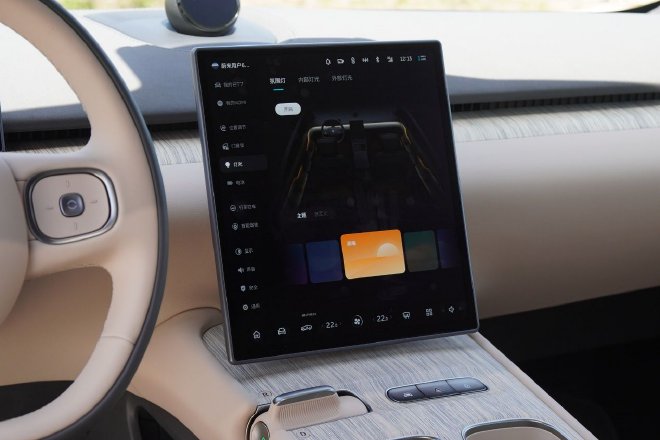
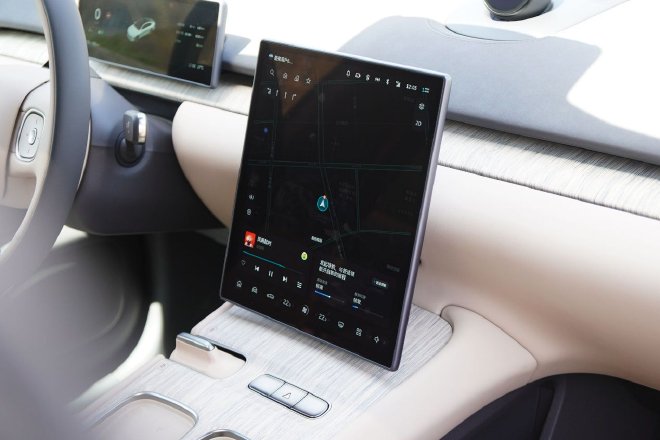
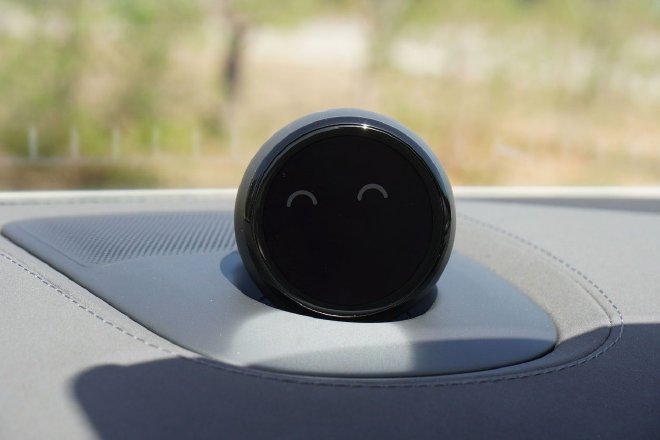
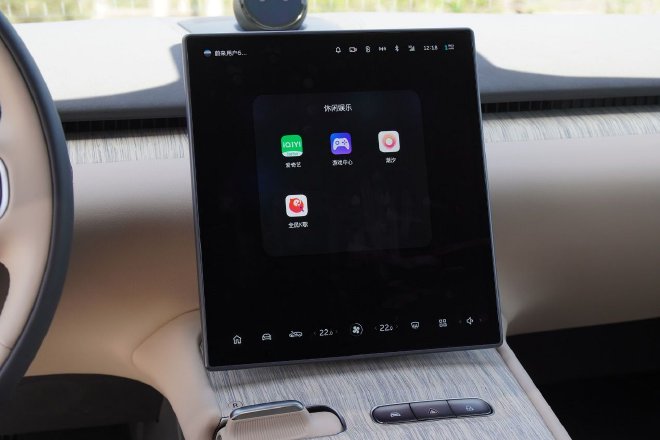
In terms of intelligence, the 2024 Weilai ET7 intelligent cockpit was replaced with 8295P high-performance cockpit chip, which greatly improved the computing power, giving users the most intuitive feeling that the car has become smoother, and the speed of NOMI voice recognition and execution of instructions has improved. The settings in the cockpit can basically be seen. NOMI GPT officially got on the bus, and the new dialogue interface, including listening, thinking, generating answers and other States, was clear at a glance. Encyclopedia Q&A, travel strategy, learning and creation, and basically conceivable nomi can answer for you. In addition, the commonly used car APP new cars are also equipped.
The biggest change in the 2024 Weilai ET7 car is the addition of a rear screen, two 14.5-inch OLED HD display screens with 3K HD resolution and a 16: 10 gold display ratio. The screens can be rotated and adjusted adaptively to provide the best viewing angle. One-button wireless screen projection function supports different devices such as iPhone, Android and tablet computer.
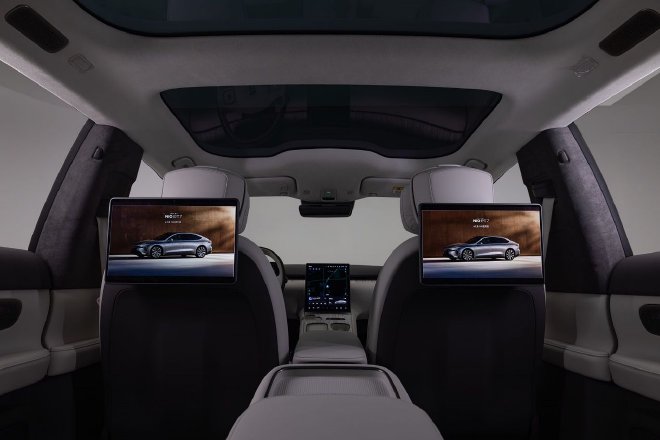
Users can not only watch entertainment programs on the back screen, but also automatically stream the conference on NIO Phone to the car screen. The back screen can be connected with up to two Bluetooth headsets for private calls, and the screen and cockpit camera can be called to realize video calls. The back screens can be broadcast simultaneously across screens with zero delay. It is also very convenient to have a video conference in the car.
In terms of power, the 2024 Weilai ET7 still adopts silicon carbide high-efficiency electric drive platform, and comes standard with intelligent dual-motor four-wheel drive system. The maximum power is 480kW, the maximum torque is 850N.m, and the official zero-speed acceleration is 3.8 seconds. It is still very capable of playing now.
It provides five driving modes: comfort, exercise, exercise+,energy saving and personalization. In the exercise+mode, the acceleration of the vehicle can definitely make you stunned, and it is not recommended for daily driving. In the comfort mode, the performance of the vehicle will be relatively balanced, and the kinetic energy recovery is set at a very low option. After releasing the accelerator pedal, you will basically not feel the drag of kinetic energy recovery.
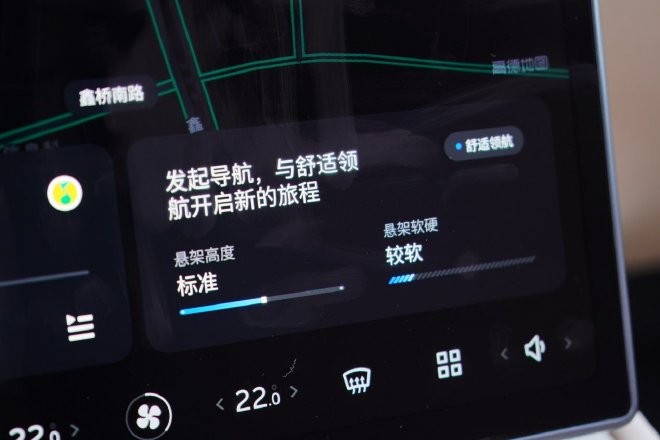
This new car has upgraded the hardware of air suspension, increased the volume of front suspension air spring, reduced the stiffness of suspension by 6%, and improved the driving comfort of the whole car. Compared with the current car, it can better filter the bumps on the road.
In addition to the improvement of dynamic comfort by excellent hardware, the 2024 Weilai ET7 is also equipped with AI intelligent chassis system. Using big data to draw the 4-D road condition layer of Wei Ziyan, it can be generated in the same place after four passes. In the 4D comfortable navigation mode, when passing through the recorded location, the vehicle will be predicted in advance, and the system will automatically adjust the soft and hard suspension and the body posture to improve the ride comfort and driving safety. Support six kinds of pavement event display; The number of bump identification points in China is close to 46 million, covering 96% of the country.
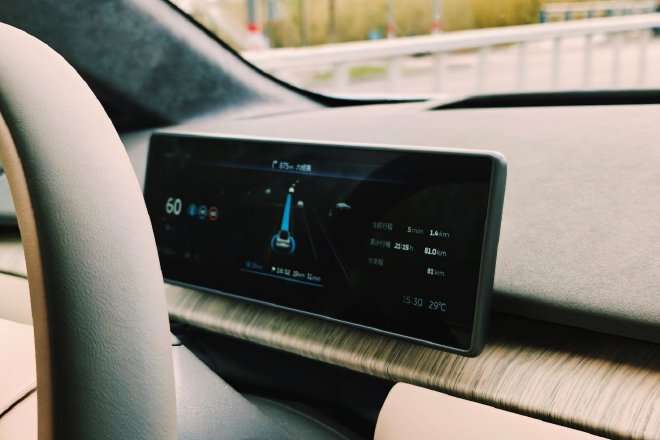
The intelligent driving assistance of Weilai Automobile has always been very reassuring. The NOP+ global navigation only system carried this time is also very easy to use, and the lane identification is accurate, and the enthusiasm for changing lanes has also increased, and the following and avoiding actions will not be particularly abrupt. In addition, the display area of HUD head-up display system has also increased, and the information that can be displayed is more comprehensive.
The new car is optimized for NVH noise inside the car, with 50+ high-performance sound-absorbing cotton, 95% lower car body coverage, and double-layer sound insulation glass in front and rear rows (front windshield+front and rear windows, excluding rear triangle window). The noise inside the front and rear rows is better than that of competitors at rough/smooth roads and speeds of 60/80/120km/h respectively. The actual experience is also very quiet in the car while driving.
Summary of the full text: On the basis of the original executive car, the 2024 Weilai ET7 has added a more exclusive appearance and interior design, which has comprehensively improved ride comfort, intelligence and driving experience. In the face of traditional old-fashioned executive-class models, it is also true, and it has surpassed in intelligence and driving comfort. Who would you choose if it were you?